Choosing A Service
How to Choose the Right Water Filtration System in Chandler
Choosing the right water filtration system in Chandler starts with identifying the specific water problem you want to solve. A homeowner dealing with hard water scale may need a different system than someone concerned about drinking water taste, high TDS, chlorine odor, sediment, or PFAS.
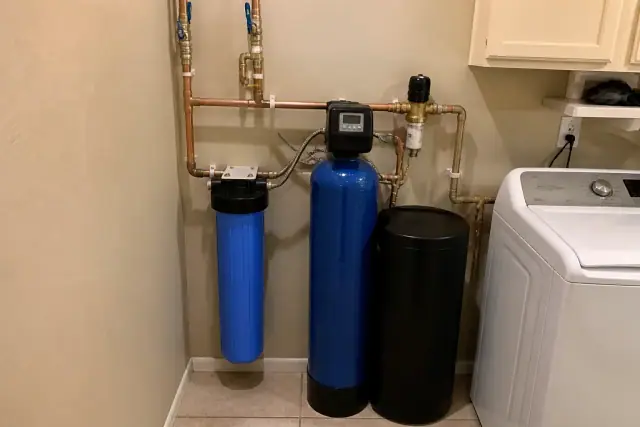
Because Chandler water can vary by source blend, season, neighborhood, and plumbing conditions, testing your actual water is the best first step. Many homes benefit from a combination setup that includes softening for hardness, carbon filtration for chlorine taste and odor, sediment filtration for particle protection, and reverse osmosis for drinking water.
If You Want Cleaner Drinking Water
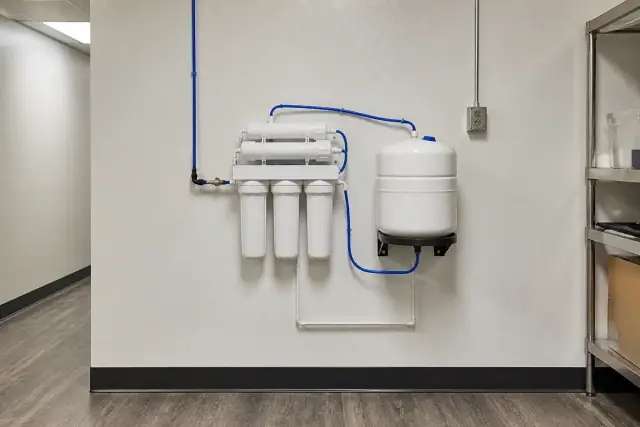
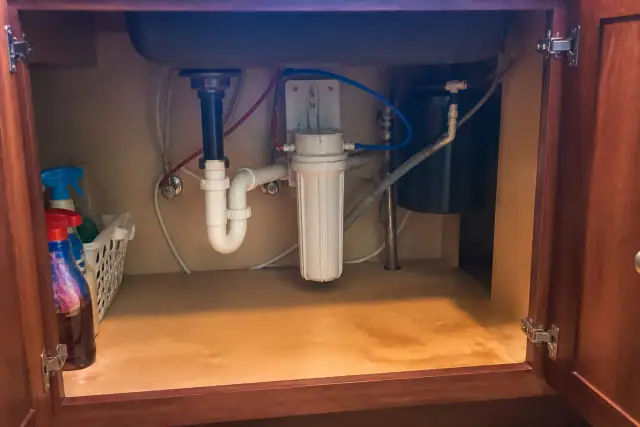
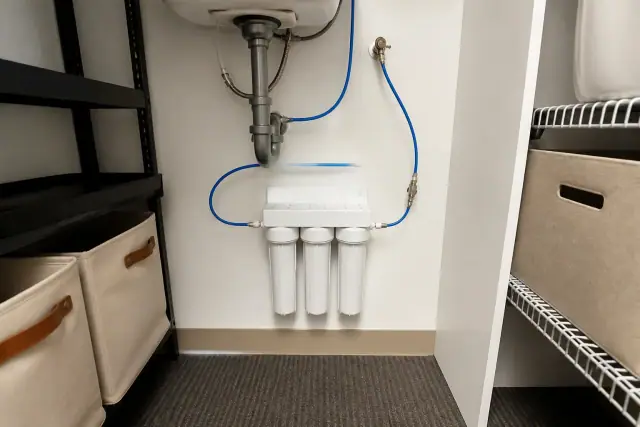
If your main concern is drinking water taste, high TDS, bottled water use, PFAS, lead, fluoride, arsenic, or dissolved contaminants, an under-sink reverse osmosis system may be the best starting point. RO systems are designed to provide filtered water from one dedicated faucet for drinking, cooking, coffee, tea, ice, and bottle filling.
For Chandler homes, reverse osmosis can be especially helpful when dissolved minerals make water taste heavy, bitter, or unpleasant. A remineralization filter can also be added for customers who prefer a smoother final taste.
If You Want Better Water Throughout the House
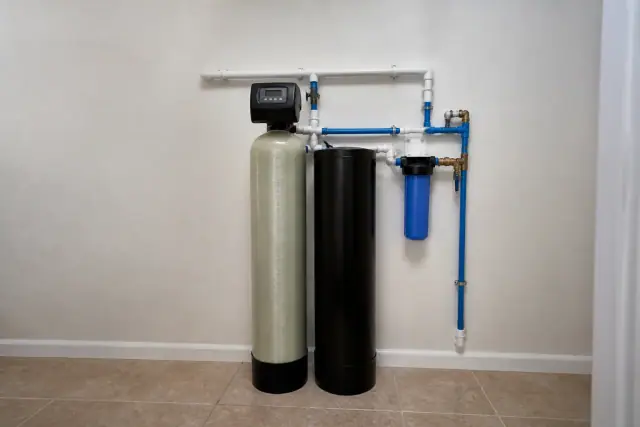
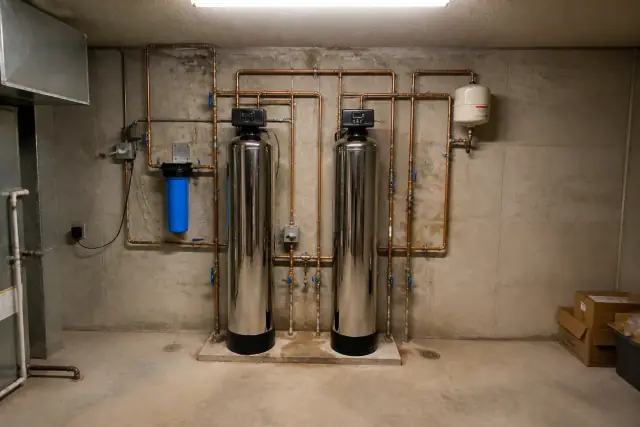
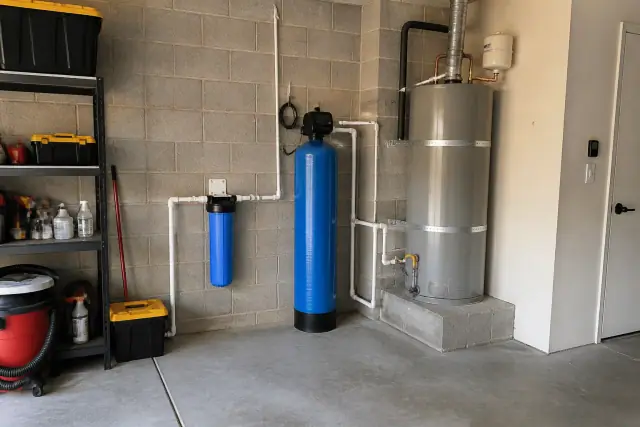
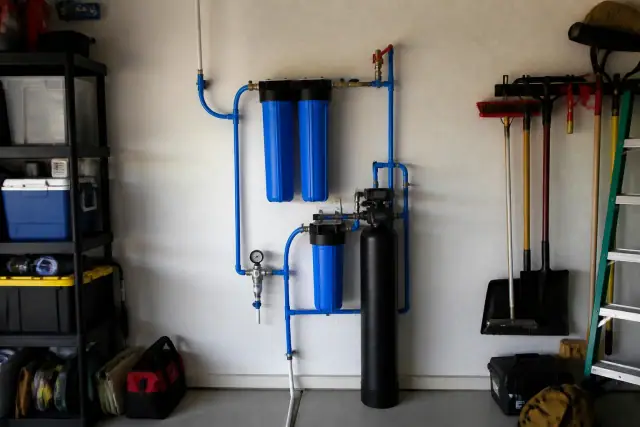
If your goal is better water at every faucet, shower, appliance, and fixture, a whole-home water filtration system may be the better fit. Whole-home systems are installed near the main water line so water is treated before moving through the property.
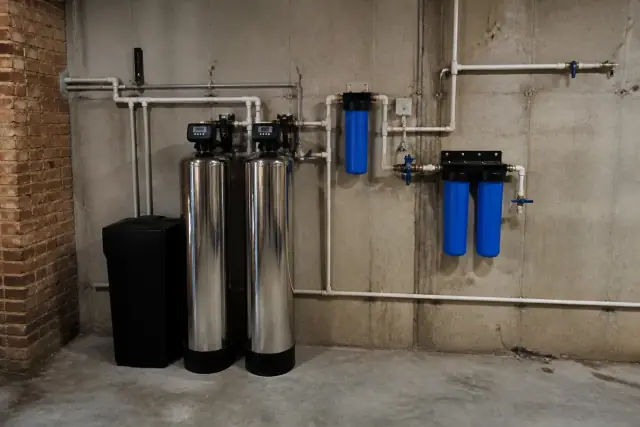
This option is often recommended for Chandler homes dealing with chlorine taste, odor, sediment, general water quality concerns, or multiple issues throughout the house. A whole-home filter can also be paired with a softener or under-sink RO system for broader treatment.
If You Have Hard Water Scale
If you see white buildup on faucets, showerheads, tile, glass, dishes, or fixtures, hard water minerals are likely part of the problem. Chandler’s reported average hardness of 16.5 grains per gallon is high enough to cause noticeable scale in many homes.
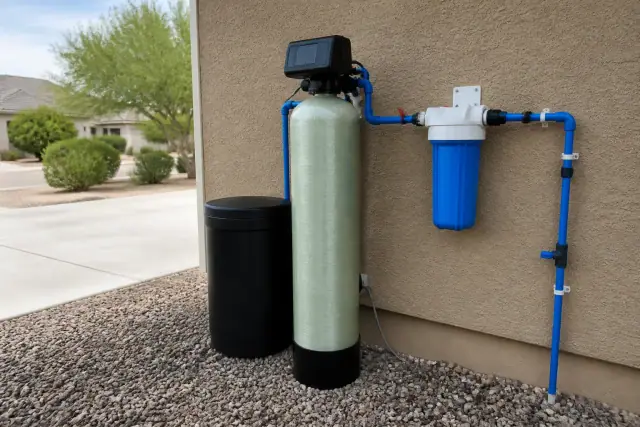
A water softener is usually the best solution when the primary issue is scale. Whole-home filtration and carbon filters can improve taste and odor, but they do not replace a softener when true hardness reduction is needed.
If Your Water Tastes or Smells Like Chlorine
If your tap water has a chemical taste or chlorine smell, carbon filtration may be the right choice. Chandler disinfects water with chlorine, and some residents notice taste or odor more strongly in drinking water, showers, ice, coffee, or tea.
A whole-home carbon filter can help improve water throughout the house, while an under-sink carbon filter or RO system may be enough if your main concern is drinking water from the kitchen sink.
If You See Sediment, Rust, or Cloudy Water
If your water looks cloudy, leaves grit behind, has visible particles, or clogs faucet aerators and filters, sediment filtration may be needed. Sediment filters capture physical particles before they reach fixtures, appliances, softeners, carbon filters, or RO membranes.
The right sediment filter depends on particle size and flow rate. Some homes need a larger whole-home sediment filter, while others need a pre-filter before an under-sink or RO system.
If You Are Not Sure What You Need
If you are not sure whether you need reverse osmosis, whole-home filtration, a water softener, carbon filter, sediment filter, PFAS filtration, or filter replacement, water testing is the best first step. Symptoms can overlap, and guessing can lead to the wrong equipment.
Tempe Water Filtration tests your water, explains the results, and recommends only what makes sense. If a simple filter change solves the problem, we will say so. If a combined system is needed, we will explain why.
Tired of Bad Water?