Certification Matters
Look for treatment claims that specifically address bacteria or microbiological contaminants. A filter that improves taste, odor, sediment, or chlorine does not automatically stop E. coli.
Tempe Water Filtration helps Tempe homeowners understand when a water filter can reduce E. coli risk and when testing, disinfection, or a certified treatment system is needed first. The short answer is that only filters certified for bacteria or systems paired with disinfection should be trusted for E. coli concerns; a basic taste-and-odor filter is not enough.
Look for treatment claims that specifically address bacteria or microbiological contaminants. A filter that improves taste, odor, sediment, or chlorine does not automatically stop E. coli.
A private well, temporary contamination event, plumbing issue, or current public notice can each require a different response. Testing identifies which path fits the property.
If bacteria are suspected, use bottled or otherwise safe water until lab results and treatment steps confirm the water is safe to drink.
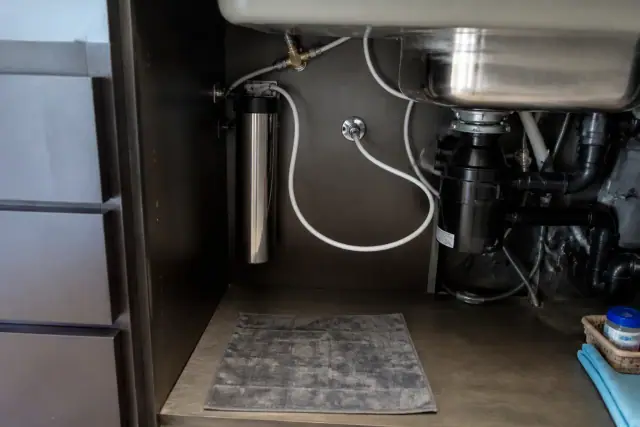
Under-sink systems can help with drinking water, but the product must be rated for the actual bacteria concern. Confirm certification before relying on it for E. coli.
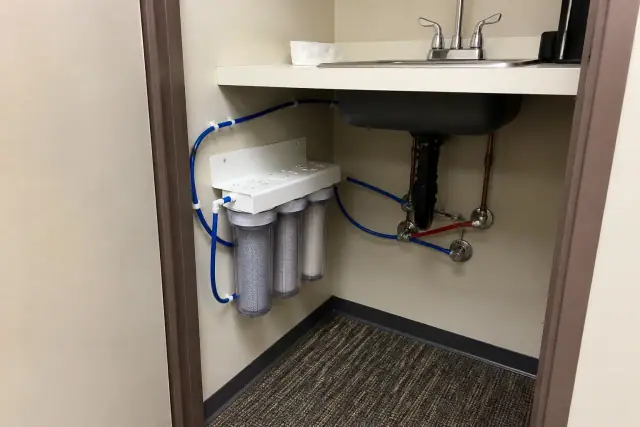
Compare filtration, UV, and disinfection options around test results. The right setup depends on source water, flow rate, maintenance, and verified reduction claims.
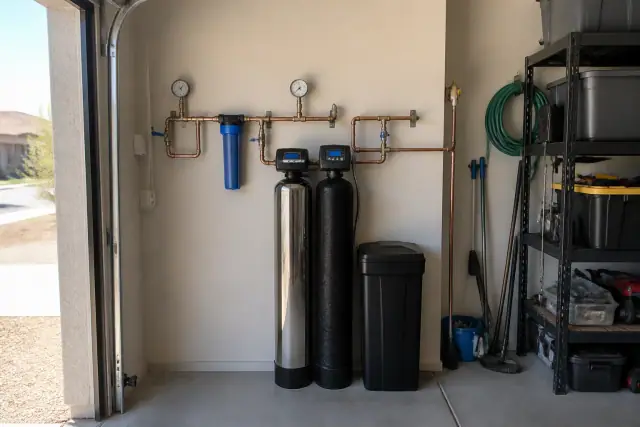
After treatment, retesting confirms whether the system is solving the bacteria concern. Keep maintenance dates and replacement intervals documented.
Use a lab test when E. coli is suspected or when a notice, well issue, flood event, or illness concern points to possible contamination.
Filters, UV, and disinfection systems solve different problems. Choose equipment around the confirmed contaminant and required flow rate.
Do not wait when E. coli is confirmed. Use safe water and correct the source or treatment failure before drinking from that tap.
Do not rely on a generic pitcher, refrigerator, or carbon cartridge unless the product is certified for the bacteria concern you are addressing.
| Situation | What It Usually Means | Recommended Action |
|---|---|---|
| Municipal notice or confirmed E. coli | Do not rely on a basic filter until the contamination event is cleared. | Use safe alternate water, follow the notice, and retest after treatment. |
| Private well or storage tank concern | The source may need disinfection plus filtration, not just a cartridge swap. | Order lab testing and size treatment around the confirmed result. |
| Drinking-water filter claim | Only microbiological certification should be treated as bacteria protection. | Verify the certification, flow rate, maintenance schedule, and replacement parts. |
A water filter can be part of the answer, but only when it is designed and maintained for microbiological protection. For Tempe homes on municipal water, start with current notices and property-level plumbing conditions. For wells or special situations, lab testing should guide the treatment plan.
The source of the water, recent plumbing work, filter certification, cartridge condition, UV dose, flow rate, and whether contamination is confirmed all change the recommendation. A certified system also needs correct installation and ongoing maintenance.
Common follow-ups include whether reverse osmosis removes bacteria, whether UV is needed, whether a refrigerator filter is enough, and when retesting should happen. The safest answer is to match the system to a lab-confirmed concern rather than relying on a general filter claim.
Send a few details about your water source, test result, and current filtration setup. A local team can help compare certified treatment options before you rely on the water for drinking.