Start With the Direct Answer
Tempe tap water should be evaluated with current public information and conditions at the specific tap. A simple yes or no is less useful than checking notices, symptoms, and property factors together.
Tempe Water Filtration helps local readers think through tap-water safety questions before they choose a filtration approach. The practical answer for Tempe, Arizona tap water depends on current public notices, the property's plumbing, and what is happening at the tap. This guide keeps the decision focused on what to verify, what symptoms to take seriously, and when a water test makes sense.
Tempe tap water should be evaluated with current public information and conditions at the specific tap. A simple yes or no is less useful than checking notices, symptoms, and property factors together.
Taste, odor, staining, cloudy water, or a changed filter can point to an issue after water enters the property. Those signs do not prove a safety problem, but they do justify a closer look.
When the concern is health, repeat symptoms, or a sensitive household, test the water before choosing equipment. A result-based plan is more reliable than guessing from appearance alone.
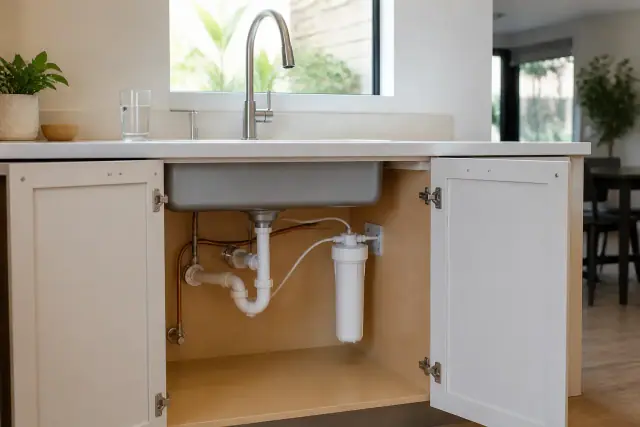
Clear water in a drinking glass beside the tap, with attention on color, cloudiness, sediment, and odor notes. This image supports the first pass check before testing.
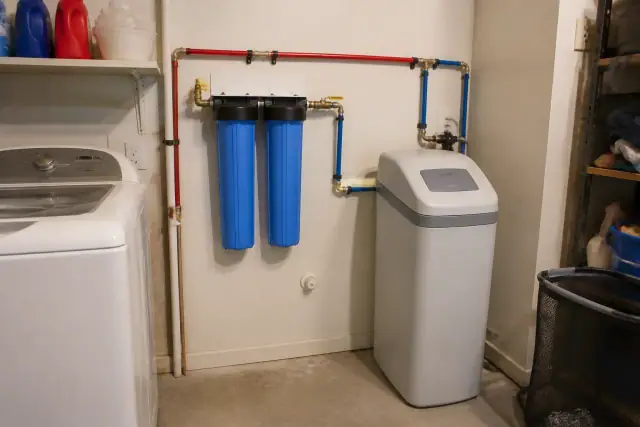
More than one sink or point-of-use outlet being compared. Differences between fixtures can indicate a property-level issue rather than a broad supply answer.
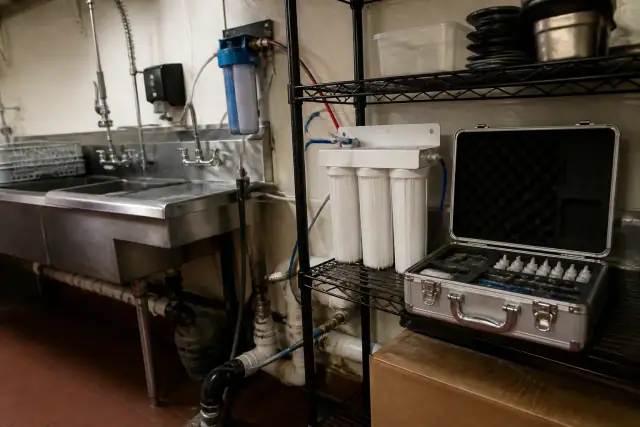
A simple test kit, filter cartridge, and notes on observed symptoms. This reinforces that treatment choices should follow findings, not guesses.
Look for current advisory information, then compare what you see at the tap. Appearance alone is not enough to answer a drinking-water safety question.
A changed smell, cloudy water, sediment, stale filter, or issue at only one fixture can shift the focus from city supply to the property's plumbing or treatment setup.
Act sooner if the issue is new, recurring, affects drinking water, or involves a health-sensitive household. Testing is the cleaner next action before buying or replacing equipment.
Avoid choosing a filter only because water tastes different. Match any filtration decision to a real concern, observed symptom, or test result.
| Check | Why It Matters | Action |
|---|---|---|
| Current notices | Safety guidance can change if an advisory, maintenance issue, or update applies. | Confirm current status before relying on taste or appearance. |
| At-the-tap symptoms | Odor, color, cloudiness, or sediment can come from plumbing, fixtures, filters, or supply changes. | Note where it happens and whether every fixture is affected. |
| Household sensitivity | Health concerns or recurring changes call for more caution than a quick visual check. | Use a qualified water test before selecting filtration equipment. |
The cautious answer is that Tempe tap water should be judged by current public status and the conditions at the specific tap, not by a blanket online statement. If no advisory applies and the water looks, smells, and performs normally, many readers will treat filtration as a taste, odor, or added-confidence choice. If something has changed, a water test can separate a real safety concern from a comfort or maintenance issue.
The biggest factors are current advisory status, whether the concern appears at every fixture, whether a filter or treatment device is already in use, and whether anyone in the home needs extra caution. A single sink problem may point to plumbing, aerator, or fixture conditions, while whole-property changes deserve broader testing. The goal is to identify the source of the concern before selecting a filtration system.
Readers usually want to know whether a taste change means danger, whether a filter is enough, and when testing is worth it. Taste and odor alone do not prove unsafe water, and a filter should be chosen for the specific concern it is meant to reduce. Testing makes sense when symptoms are new, recurring, health-related, or different from one fixture to another.
Share what changed at the tap, where it appears, and whether the concern is taste, odor, cloudiness, sediment, or a health question. A local water filtration team can help you decide what to test before choosing equipment.