Three Contaminant Types
The main challenge is treating biological growth, dissolved chemicals, and sediment together without pretending one filter media handles them all.
Water purification is difficult because one system may need to manage biological growth, chemical contaminants, sediment, hardness, and maintenance costs at the same time. Tempe Water Filtration helps residential and commercial customers in Tempe troubleshoot whole-home filtration, water softener, reverse osmosis, and point-of-use systems based on actual water testing. Local canal-fed supply can meet federal, state, and local standards while still leaving chlorine taste, scale, and filter-clogging particulates for property owners to solve. This guide explains the challenges that cause low flow, fouled membranes, taste or odor issues, leaks, and premature equipment failure.
The main challenge is treating biological growth, dissolved chemicals, and sediment together without pretending one filter media handles them all.
Hardness scale, colloidal silica, biofilm, and clogged pre-filters reduce RO pressure and push symptoms like low flow, odd taste, or a tank that will not fill.
Testing hardness, TDS, chlorine, pH, and iron before quoting keeps the recommendation tied to the actual contaminant load instead of an oversized generic system.
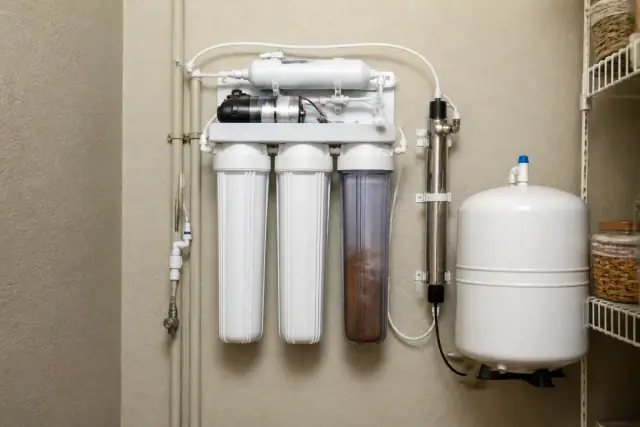
Bacteria, algae, viruses, and organic film building inside tanks, pipes, or membranes. This visual explains why disinfection and flushing schedules matter before symptoms appear.
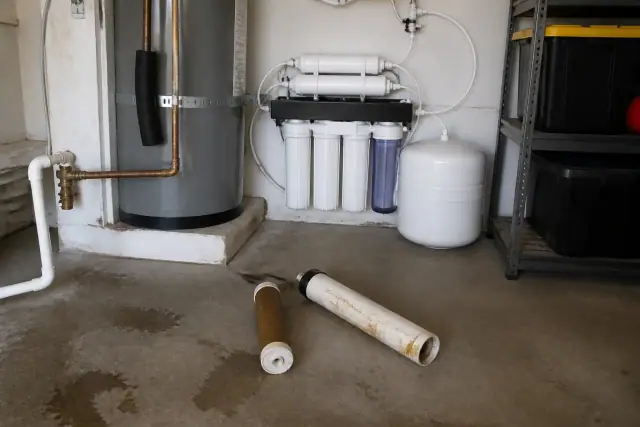
Sediment, hard-water scale, colloidal silica, and biofilm restricting water flow through staged filtration. The contrast should make low pressure and reduced TDS rejection easy to understand.
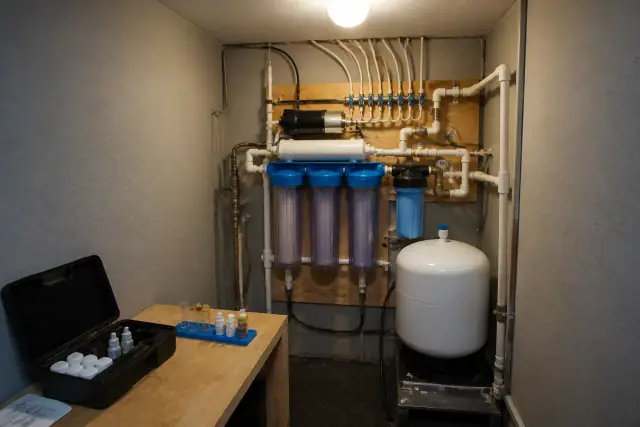
A technician checking hardness, TDS, chlorine, pH, and iron before recommending filtration stages. This image helps connect local water conditions to practical equipment choices.
Start with incoming-water testing for hardness, TDS, chlorine, pH, and iron, then match sediment, carbon, softening, RO, or UV stages to the results.
The recommendation shifts with biological load, dissolved minerals, heavy metals such as lead or arsenic, sediment, household water use, commercial volume, and local plumbing requirements.
Reduced flow, returning chlorine taste or odor, noisy operation, leaks, a tank that will not fill, or auto shut-off failure should be checked before a small filter issue becomes a larger repair.
Do not buy stages before testing the water; a five-stage setup can be unnecessary for a one-stage problem, while neglected maintenance can turn a $200 filter change into a $1,500 membrane replacement.
| Challenge | What It Affects | Recommended Action |
|---|---|---|
| Biological growth | Bacteria, algae, viruses, and biofilm can build up in tanks, pipes, and membranes. | Maintain disinfection, flush on schedule, and replace UV lamps before visible failure. |
| Sediment and hardness | Fine particles, scale, and silica can clog cartridges and reduce RO output pressure. | Use correct staging: sediment first, carbon second, membrane last. |
| Cost and sizing | Over-buying stages wastes money, while under-treating misses the real contaminant load. | Test hardness, TDS, chlorine, pH, and iron before quoting equipment. |
Tempe's roughly 180,587 residents draw from Salt River Project and Central Arizona Project canal deliveries that are treated to meet federal, state, and local standards, but that does not remove every taste, scale, hardness, or sediment concern at the tap. The practical challenge is selecting treatment barriers that fit the contaminant profile, local mineral load, and maintenance reality, which is why the right answer usually starts with testing instead of a generic filter package.
Cost, certification, water scarcity planning, and service intervals all change the recommendation. Certified whole-home filtration can range from $150 to $2,000+, whole-house well or softener treatment averages around $2,300 installed with many projects between $1,200 and $3,000, and a professionally installed softener-plus-reverse-osmosis setup often lands between $5,000 and $7,000 in the Phoenix metro. NSF/ANSI Standard 42, 53, 58, and 61 components need scheduled cartridge swaps, membrane cleaning or replacement, and inspections, while Arizona Department of Environmental Quality Advanced Water Purification planning shows why multi-barrier treatment and monitoring are becoming more important statewide.
After the main challenge, readers usually ask whether Tempe tap water is safe, how often filters should be replaced, and which symptoms mean a purifier needs service. Municipal water can meet federal, state, and local standards while point-of-use treatment still improves taste, hardness, sediment control, or RO performance, and most cartridge filters should be checked by rated gallons or every 6 to 12 months.
If your Tempe system has low flow, recurring taste or odor, leaks, noisy operation, or RO output problems, send the property details and recent symptoms. The team can confirm testing needs, maintenance timing, and whether filtration, softening, RO, or UV service fits the water profile.