Use 1 Micron Absolute or Smaller
The practical threshold is an absolute pore rating of 1 micron or smaller because Giardia cysts are larger than that range.
Tempe Water Filtration tests and installs filtration systems across Tempe and Maricopa County for homeowners comparing Giardia cyst removal options. Filters rated for cyst reduction at 1 micron absolute or smaller, including reverse osmosis, ceramic, and certified carbon block systems, can remove Giardia cysts effectively. This guide explains when point-of-use, whole-house, and portable filters make sense for municipal water concerns, private wells, canal water, and outdoor trips.
The practical threshold is an absolute pore rating of 1 micron or smaller because Giardia cysts are larger than that range.
The packaging or spec sheet should name cyst reduction under NSF/ANSI 53 or NSF/ANSI 58 rather than only promising better taste.
A Tempe kitchen tap, a private well, and a Salt River bottle fill can call for different cyst-rated equipment and backup treatment.
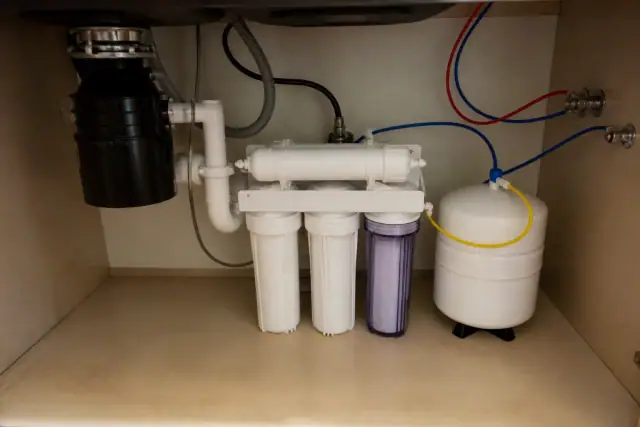
A compact under-sink reverse osmosis setup with a dedicated drinking faucet. The focus should be the sub-micron membrane and cyst-rated drinking water use.
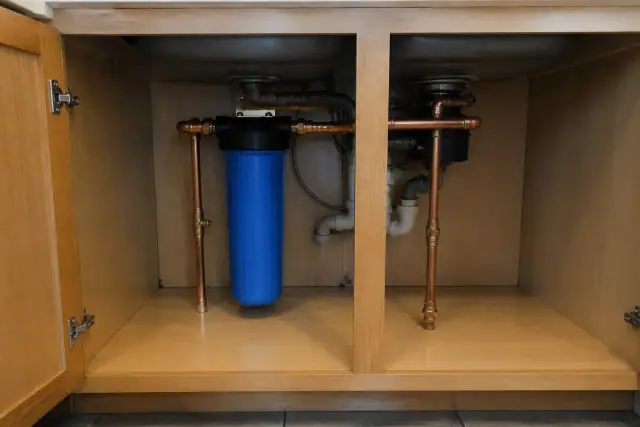
Sediment pretreatment followed by a cyst-rated final stage before water reaches the home's taps. This matters because fine filters clog faster when sediment is not controlled first.
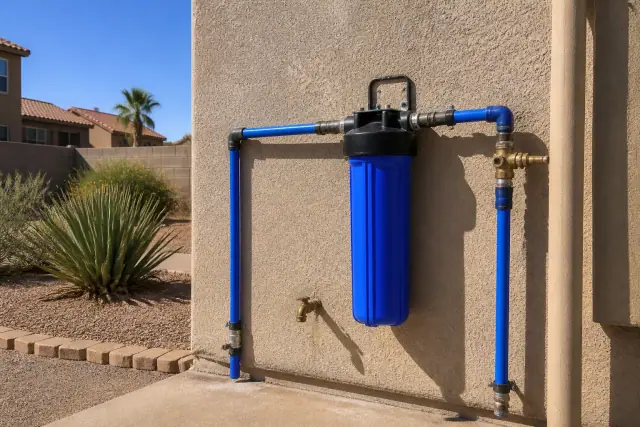
A portable hollow-fiber or ceramic-style filter used near outdoor water. This image helps make clear that canal, lake, and trail water need treatment even when they look clear.
Use an absolute 1 micron filter or smaller; nominal ratings are less dependable because they describe partial capture.
RO membranes around 0.0001 micron, ceramic elements around 0.2 to 0.5 micron, and certified carbon block filters are practical cyst-removal options.
A 5 micron sediment filter or a basic loose granular carbon filter is too coarse or too open to rely on for Giardia cyst removal.
Boiling kills Giardia in an emergency, but it does not remove sediment, dissolved chemicals, or taste and odor issues.
| Filter or Method | Giardia-Relevant Spec | Best Fit |
|---|---|---|
| Reverse osmosis | Membrane pores around 0.0001 micron; check NSF/ANSI 58 cyst reduction. | Dedicated drinking water at a kitchen sink, especially where dissolved solids are also a concern. |
| Ceramic filter | Commonly rated 0.2 to 0.5 micron for physical cyst capture. | Countertop, gravity-fed, or portable setups where reusable elements are useful. |
| Certified carbon block | Absolute 1 micron or smaller with NSF/ANSI 53 cyst reduction listed. | Point-of-use drinking water or a cyst-rated stage in a larger treatment train. |
| Whole-house staged filtration | Sediment pretreatment followed by a sub-micron cyst-rated final stage. | Private wells or homes that need every tap protected, not just one drinking faucet. |
| Emergency boiling | Rolling boil for one minute, or three minutes above 6,500 feet elevation. | Temporary backup when filtration is not available; it does not remove sediment or chemicals. |
Giardia is filtered by physical size: the cysts measure 6 to 10 microns, and a properly rated filter blocks particles smaller than that. The key is an absolute pore rating, because a nominal rating means only a percentage of particles at that size are captured. Since Giardia can survive in cool water for weeks to months and illness can last one to three weeks, clear-looking water from canals, lakes, wells, or trail sources still needs a verified treatment step.
The right setup depends on the water source, how many taps need protection, and what else is in the water. Tempe municipal customers often compare countertop or under-sink drinking water units, while private well owners may need point-of-entry treatment because bathrooms and other fixtures remain untreated with a single faucet filter. Maintenance matters too: RO membranes typically need replacement every 2 to 3 years, under-sink replacement filters can run $150 or more per year, and whole-house systems usually need sediment pretreatment before the cyst-rated final stage.
The most common follow-ups are whether boiling works, whether a 5 micron sediment filter is enough, and whether a basic pitcher removes Giardia. Boiling is a temporary emergency step, a 5 micron filter is too coarse for reliable cyst removal, and a loose granular carbon pitcher is not cyst-rated unless its cartridge specifically lists NSF/ANSI 53 or 58 cyst reduction.
Share your water source, current filter setup, and whether this is for a Tempe home, private well, or travel water. The local team can help confirm whether you need point-of-use filtration, whole-house pretreatment, or a portable cyst-rated option.